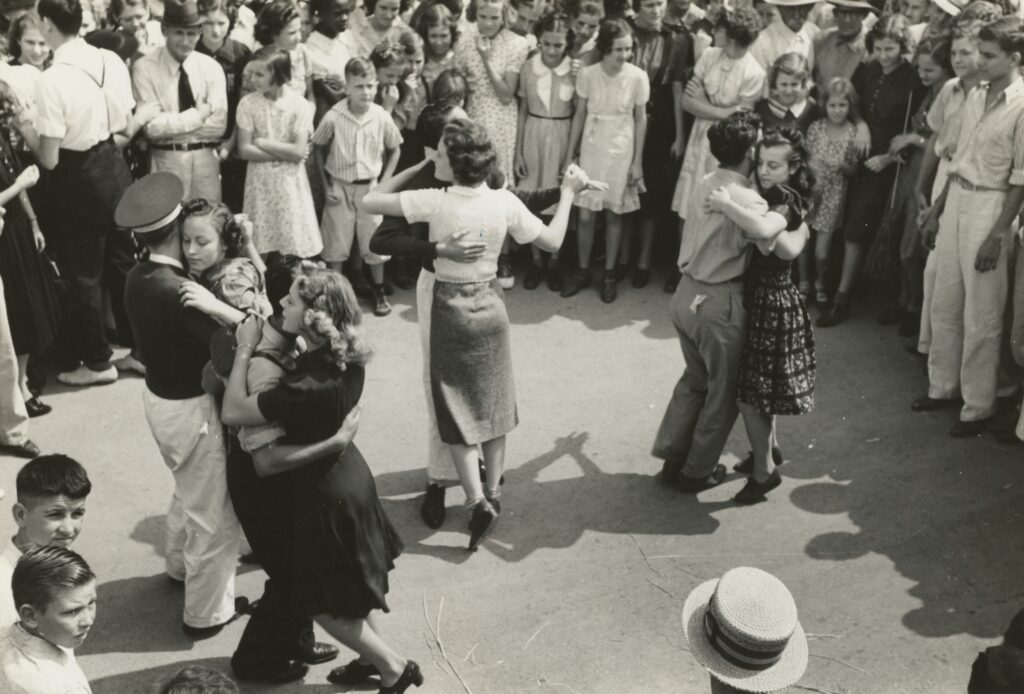
Tango began in the shadows of port cities. Today, it commands stages worldwide.
The journey from neighborhood dance halls in Buenos Aires and Montevideo to international theaters across Europe, Asia, and North America is one of the most fascinating cultural evolutions in modern performance art. What started as an intimate, improvised dance between marginalized communities transformed into a global theatrical phenomenon that continues to captivate audiences more than a century later.
Humble Beginnings
In the late 19th century, tango emerged in the working-class districts along the Río de la Plata. Immigrants from Italy and Spain, freed African slaves, and local criollo populations blended musical traditions into something entirely new. African rhythms, European melodies, and Latin American folk influences fused into a sound that was both melancholic and defiant.
Early tango was raw. It was danced in crowded bars, courtyards, and modest social clubs. The embrace was close. The movements were grounded and deliberate. There was no choreography—only improvisation and connection.
At first, high society rejected it. The dance was considered improper, even scandalous. Its sensual undertones and intimate positioning shocked Argentina’s upper class. But controversy often fuels curiosity. The very elements that made tango taboo also made it irresistible.
By the early 1900s, tango had crossed the Atlantic. And once it reached Paris, everything changed.
Paris: The Turning Point
When tango arrived in Paris in the early 20th century, it underwent a dramatic transformation. The French elite embraced the dance with enthusiasm. Aristocrats and artists flocked to tango salons. Dance instructors began formalizing its technique, refining posture, footwork, and presentation.
Fashion adapted to the dance. Women’s dresses were redesigned to allow dramatic leg movements. Men adopted sleek, tailored silhouettes that complemented tango’s sharp elegance. Tango became chic.
Once Paris approved of tango, the rest of Europe and North America followed. In a matter of years, what had once been dismissed as a rough street dance was now celebrated in ballrooms and cultural centers.
Tango transformed from a gritty social expression into a refined art form suitable for grand stages. It gained legitimacy—and with that legitimacy came expansion.
The Golden Age of Tango
Between the 1930s and 1950s, tango flourished in Argentina in what is often called its Golden Age. Dance halls filled nightly. Live orchestras performed to packed rooms. Radio broadcasts spread tango music into homes across the country.
Singers became national icons. None more so than Carlos Gardel, whose voice defined the emotional sound of tango canción. His recordings remain deeply influential, symbolizing romance, longing, and nostalgia.
During this period, tango performances grew more theatrical. Large productions began incorporating:
- Live orchestras with full arrangements
- Ensemble choreography
- Dramatic lighting
- Narrative storytelling elements
What had once been a purely social dance evolved into staged spectacles designed for seated audiences. Tango shows became immersive experiences, blending music, dance, and drama into cohesive performances.
The art form was no longer confined to dance halls. It was becoming performance art.
Political and Cultural Shifts
Tango’s rise was not without interruption. Argentina experienced periods of political instability throughout the mid-20th century. Public gatherings were restricted during certain regimes, and tango’s presence in everyday nightlife declined.
At the same time, global musical tastes shifted. Rock and roll and other modern genres gained popularity among younger generations. Tango, once revolutionary, began to feel traditional.
But tango never disappeared.
Instead, it reinvented itself.
Visionary composer Astor Piazzolla revolutionized the genre with nuevo tango. By blending jazz harmonies, classical structures, and experimental arrangements, Piazzolla elevated tango into concert halls and international festivals. His compositions expanded tango’s musical boundaries and introduced it to audiences who might never have attended a traditional dance show.
This reinvention was critical. It proved that tango could evolve while preserving its emotional core.
Broadway and International Expansion
In the late 20th century, large-scale tango productions began touring internationally. One of the most influential was Tango Argentino, which premiered in Paris before moving to Broadway in New York City.
The show was a sensation. It introduced global audiences to authentic Argentine tango music and dance performed by world-class artists. Critics praised its intensity, precision, and emotional power. Audiences were captivated.
Suddenly, tango was not simply a cultural export—it was a theatrical event.
Major cities like New York City and London embraced tango productions. Touring companies traveled across continents. International tango festivals emerged. Dance schools opened worldwide.
Tango was no longer confined to Argentina. It belonged to the world.
Tango in Modern Cities
Today, you can attend tango shows in cities far from its birthplace.
In Barcelona, productions blend Spanish theatrical flair with Argentine tradition. In Tokyo, tango communities thrive with remarkable technical precision and devotion to authenticity. In Miami, Latin influences add vibrant energy to performances.
Of course, Buenos Aires remains the epicenter. Neighborhood venues and grand theaters alike host nightly shows ranging from intimate quartet performances to elaborate stage productions complete with live orchestras and dramatic staging.
Each city adds its own stylistic flavor while respecting tango’s traditional roots. This adaptability has allowed tango to integrate into diverse cultures without losing its identity.
Why Tango Translates Across Cultures
Tango speaks the universal language of human emotion.
You do not need to understand Spanish lyrics to feel longing in a melody. You do not need dance training to recognize the tension between two performers locked in a slow, deliberate walk. The pause before a dramatic dip. The sharp pivot. The subtle brush of a foot.
Themes of love, loss, pride, jealousy, and reconciliation resonate globally. Tango distills complex emotions into visible movement. It makes the invisible tangible.
Unlike some performance styles that rely heavily on spoken language, tango communicates primarily through music and physical dialogue. This makes it accessible across linguistic and cultural barriers.
It is intimate yet theatrical. Structured yet improvised. Dramatic yet authentic.
That emotional clarity is what allows tango to thrive anywhere in the world.
The Evolution of Modern Tango Shows
Contemporary tango productions continue to push creative boundaries. While traditionalists preserve classic styles, modern directors experiment with:
- Contemporary lighting design
- Multimedia projections
- Fusion music elements
- Cross-genre choreography incorporating ballet or contemporary dance
Some productions emphasize historical storytelling, tracing tango’s origins through costume and narration. Others focus purely on technical mastery, showcasing breathtaking footwork and intricate partner sequences.
Yet at its core, tango remains what it has always been: a dialogue between two bodies and one piece of music.
The embrace is still central. The connection is still real. Even in a theater with thousands of seats, tango feels personal.
The Future of a Global Art Form
As global audiences continue to seek authentic, emotionally powerful experiences, tango shows remain uniquely positioned to deliver them. In a digital world dominated by screens, tango offers something immediate and human.
Its journey—from marginalized port neighborhoods to the grand stages of the world—demonstrates the resilience of cultural expression. Tango survived social rejection, political upheaval, and shifting musical trends. Each challenge forced adaptation. Each adaptation strengthened its global reach.
Today, tango is taught on every continent. International festivals draw dancers from dozens of countries. Touring companies introduce new generations to its passion.
From dimly lit corners of Buenos Aires to prestigious theaters across Europe, Asia, and the Americas, tango’s evolution proves one powerful truth:
Art that speaks honestly to human emotion cannot be contained.
It travels.
It transforms.
And it endures.