
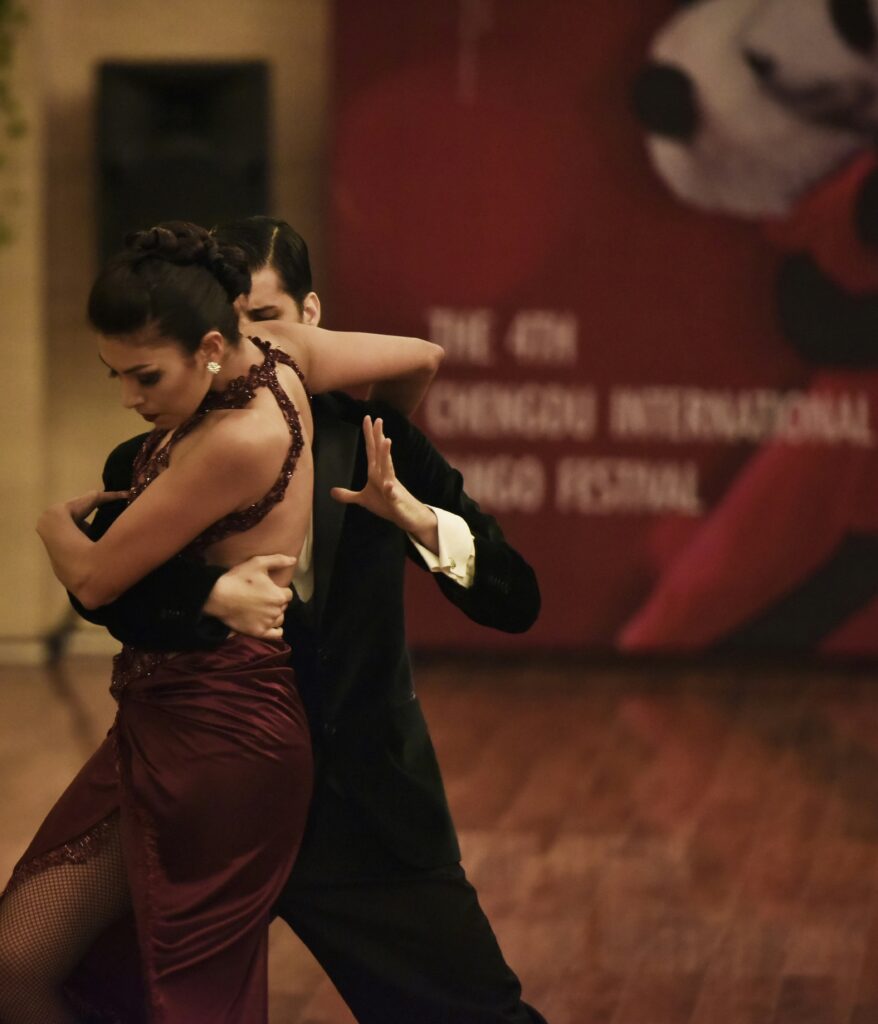
There is something electric about a live tango show. The lights dim. The first dramatic notes of the bandoneón rise through the theater. A dancer steps forward — slow, controlled, magnetic. Within seconds, the room belongs to them.
Tango is not just a dance. It is tension. It is conversation. It is history wrapped in movement.
A live tango show captures all of that in one unforgettable experience — blending music, movement, storytelling, and raw human emotion into a performance that leaves audiences silent, then roaring with applause.
The Power of the Music
At the heart of tango lies the music. The soulful sound of the bandoneón — often called the voice of tango — sets the emotional tone from the very first note. Unlike many dance performances where music feels secondary, tango music commands attention. It leads. The dancers follow.
Composers such as Astor Piazzolla revolutionized tango by blending classical structure and jazz influences with traditional Argentine rhythms, creating what became known as nuevo tango. Meanwhile, the legendary Carlos Gardel brought tango to the world stage with his haunting voice and emotional recordings, turning tango into both a dance phenomenon and a concert art form.
In a live tango show, the music is not background ambiance — it is the heartbeat of the performance.
The sharp staccato notes create urgency. Sweeping violins introduce longing. The deep pulse of the piano grounds the rhythm. And then there are the pauses — those dramatic silences that make the audience hold its breath. When the music suddenly stops and a dancer freezes mid-pose, the stillness feels intentional, almost sacred.
Every step, pivot, and dramatic leg extension responds directly to the music’s phrasing. The dancers are not simply moving to a beat; they are interpreting emotion in real time.
The Dance: Precision and Passion
Tango is built on control. The traditional embrace — often chest-to-chest — creates a level of connection that is rare in other partner dances. Subtle weight shifts, micro-adjustments in posture, and shared breath patterns form a silent language between partners.
But on stage, tango expands.
Stage tango (sometimes called tango escenario) takes the intimate language of social tango and amplifies it for theatrical impact. Movements become larger. Lifts soar higher. Spins accelerate. Dramatic leg flicks slice through the air with precision.
Professional tango performers train for years to master:
- Balance and posture
- Musical interpretation
- Improvisation
- Partner connection
- Footwork speed and accuracy
- Stage presence and projection
What makes a great tango show so powerful is the balance between raw emotion and flawless technique. Audiences are drawn in by passion — but they stay mesmerized because of the control.
The sharp echo of heels striking the stage. The clean, lightning-fast footwork of intricate sequences. The perfectly timed dip at the crescendo of the music. Every element is calculated, yet it feels spontaneous.
That illusion of spontaneity is part of tango’s magic.
The Storytelling Element
Unlike social tango in a milonga, stage tango often tells a story. Even when there are no spoken words, the narrative unfolds clearly through movement and expression.
Some productions explore tango’s historical roots in the neighborhoods of Buenos Aires and Montevideo, where immigrant communities shaped the dance in the late 19th century. Others focus on dramatic love stories filled with jealousy, longing, betrayal, and reconciliation.
A glance across the stage can signal desire.
A rejected embrace can suggest heartbreak.
A sharp turn away can symbolize anger.
In many tango shows, the emotional arc mirrors real human relationships — attraction, tension, conflict, and resolution. The audience does not need dialogue to understand what is happening. The body language speaks clearly.
This storytelling aspect elevates tango from dance performance to theatrical experience. Viewers are not just watching steps; they are witnessing emotional conflict unfold in physical form.
Costumes and Visual Drama
A live tango show is as visually captivating as it is musically powerful.
For women, flowing dresses in deep reds, blacks, or jewel tones highlight dramatic leg lines. Thigh-high slits emphasize rapid footwork and elegant extensions. Sparkling heels catch the stage lights with every pivot.
For men, sharply tailored suits reinforce tango’s elegance and authority. Slicked-back hair, polished shoes, and confident posture create a commanding stage presence.
Lighting plays a crucial role in shaping the mood. Deep red washes evoke passion. Cool blue tones suggest longing or solitude. Spotlights isolate dancers during emotionally intense moments, creating cinematic tension.
Theatrical smoke, dramatic shadows, and layered stage design add to the atmosphere — yet despite the production elements, tango never feels artificial. At its core, it remains a dance about connection between two people.
Why Audiences Keep Coming Back
People attend tango shows for many reasons:
- Romance
- Cultural exploration
- Musical appreciation
- Date nights
- Travel experiences
- Bucket-list performances
But they return for something deeper.
Tango feels authentic.
The closeness between partners demands vulnerability. Even in choreographed routines, there is an ever-present sense of risk — a feeling that something unexpected could happen. That tension keeps audiences engaged.
Unlike heavily produced dance styles that rely on spectacle alone, tango draws power from subtlety. A slight tightening of an embrace can shift the emotional tone of an entire piece. A single pause can generate more suspense than a flurry of movement.
Each performance feels alive, unique to that night’s energy.
Tango as Cultural Heritage
Tango is more than entertainment — it is living history. In 2009, Argentine and Uruguayan tango was officially recognized by UNESCO as Intangible Cultural Heritage of Humanity.
This designation acknowledges tango’s deep roots in immigrant communities, port cities, and working-class neighborhoods along the Río de la Plata. Influences from African rhythms, European melodies, and Latin American traditions blended together to create a dance that reflected both struggle and resilience.
Attending a tango show is not just watching performers on stage — it is witnessing a cultural legacy that has traveled across continents and generations.
From the streets of Buenos Aires to grand theaters in Paris, New York, and Tokyo, tango continues to evolve while honoring its origins.
The Emotional Aftermath
A truly great tango show lingers long after the curtain falls.
You leave the theater quieter than when you entered. The rhythm of the bandoneón echoes in your mind. The sharp click of heels replays in memory. The image of a dramatic final pose — frozen in red light — stays vivid.
Some audience members feel inspired to take lessons themselves. Others simply appreciate having witnessed something raw and human in a world that often feels rushed and digital.
Tango reminds us that connection — even wordless connection — is powerful.
It reminds us that tension can be beautiful. That pauses can speak louder than movement. That passion, when controlled and channeled, becomes art.
And that is why live tango shows continue to captivate audiences around the world.
They are not just performances.
They are experiences — intimate, dramatic, unforgettable.