
Attending your first tango show can feel mysterious.
Is it formal?
Is it romantic?
Is it more like ballet or more like a concert?
The truth is — it’s a little bit of all of those things, and yet something entirely its own.
If you’ve never experienced live tango before, this guide will walk you through exactly what to expect, so you can arrive confident, relaxed, and ready to fully enjoy the performance.
The Atmosphere: Intimate, Dramatic, and Immersive
One of the first things you’ll notice at a tango show is the atmosphere.
Unlike large-scale arena concerts, tango performances are designed to feel personal. Even in bigger theaters, the staging, lighting, and music create a sense of intimacy between performers and audience.
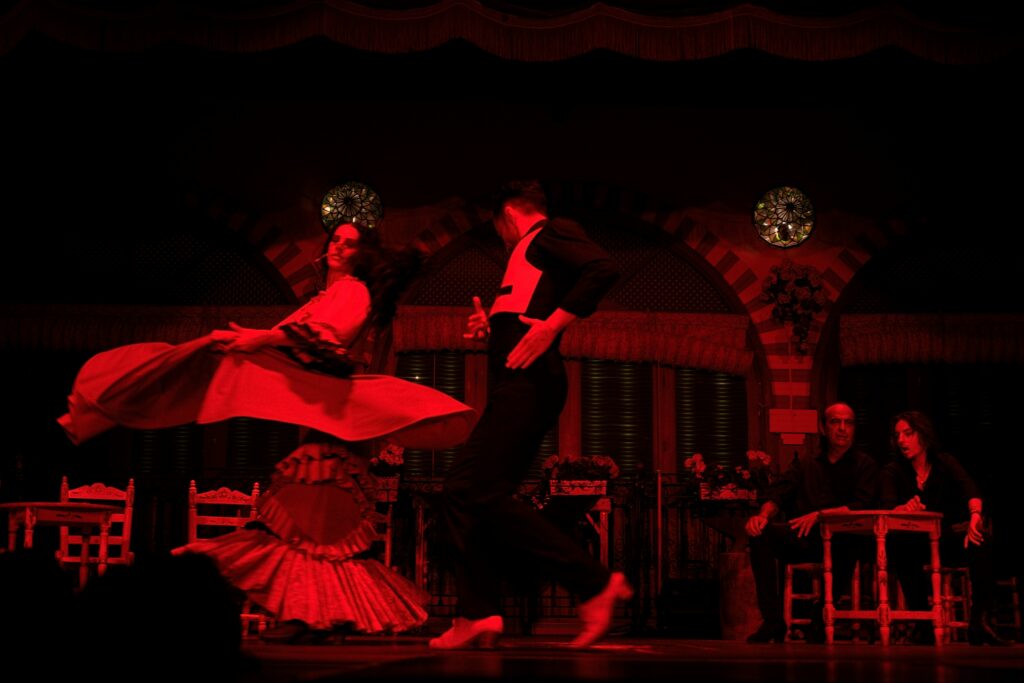
Lighting tends to be moody — deep reds, warm ambers, and shadowy blues dominate the stage. Tables may be candlelit if you’re attending a dinner-and-show format. The stage is often relatively close to the audience, allowing you to see facial expressions, subtle movements, and intricate footwork.
In cities like Buenos Aires, tango venues range from historic theaters with ornate balconies to elegant cabaret-style spaces where dinner is served before the performance begins. Some shows are grand and theatrical; others feel almost secretive and underground.
No matter the setting, expect a sense of anticipation in the room. Tango audiences are attentive. When the lights dim, conversations stop almost instantly. There’s a quiet understanding that something intense is about to unfold.
The Music: The Soul of Tango
Tango is inseparable from its music. Even before the dancers take the stage, the first notes will set the emotional tone.
Many professional tango shows feature live musicians. You may see a small orchestra seated to the side of the stage or centered behind the dancers. In other productions, high-quality recorded tracks are used — but always with dramatic precision.
You will likely hear:
- Bandoneón (the signature instrument of tango)
- Piano
- Violin
- Double bass
- Vocals
The bandoneón, in particular, has a haunting, almost breathing quality. Its sound is instantly recognizable and deeply emotional.
Music inspired by composers like Astor Piazzolla often blends traditional tango rhythms with modern influences, incorporating elements of jazz and classical music. This creates dynamic shifts — from slow, smoldering passages to explosive, fast-paced crescendos.
One important thing to listen for: silence.
Tango uses pauses deliberately. A sudden stop in the music heightens tension. Dancers may freeze mid-movement, holding eye contact. The stillness becomes as powerful as motion. When the music resumes, the release feels electric.
The Structure of the Show
Most tango shows follow a structured format that keeps the energy flowing and the audience engaged.
Typically, you can expect:
- Ensemble group numbers with multiple couples on stage
- Solo or duet performances that highlight star dancers
- Vocal interludes featuring traditional tango songs
- A high-energy finale with dramatic choreography
Some productions tell a cohesive story — perhaps tracing tango’s origins in Argentina or following a fictional romance. Others focus purely on spectacle, presenting a series of visually stunning dance numbers without a specific narrative.
Shows generally run between 60 and 90 minutes, sometimes longer if dinner service is included. The pacing is intentional. Slower, emotionally heavy pieces are often balanced with faster, technically impressive routines to maintain rhythm throughout the evening.
The Dance Style: Precision Meets Passion
If you’ve only seen social tango at a local dance night, you may be surprised by stage tango.
Stage tango is bigger. Sharper. More theatrical.
While social tango emphasizes subtle communication between partners, performance tango amplifies movement for visual impact.
Expect to see:
- High leg flicks (boleos)
- Rapid, intricate footwork
- Deep lunges and dramatic dips
- Lifts and aerial elements (in some productions)
- Intense, prolonged eye contact
Despite the choreography being carefully rehearsed, the dance is designed to feel spontaneous. Tango is built on connection — the illusion that each step is being decided in the moment.
You’ll likely notice how close the dancers stand to one another. The embrace is central to tango. Even during dramatic flourishes, there’s an underlying sense of unity between partners.
Dress Code: What Should You Wear?
Many first-time attendees worry about what to wear.
The good news: tango shows are generally not overly formal unless explicitly stated.
Smart casual attire is usually perfect. For dinner shows, business casual or cocktail attire works well. Think:
- A nice dress or blouse
- Slacks or dark jeans
- Button-down shirts
- Dress shoes or elegant flats
You do not need a gown or tuxedo unless the venue specifies black-tie attire.
Comfort is important. You’ll be seated for most of the performance, so choose something you can relax in while still feeling polished.
Emotional Intensity: Be Prepared to Feel Something
Tango is passionate. Not in a flashy, exaggerated way — but in a focused, emotionally charged manner.
Common themes in tango performances include:
- Desire
- Conflict
- Jealousy
- Separation
- Reunion
The chemistry between dancers can feel incredibly intense. This is intentional. Tango is often described as a “conversation without words.” Through posture, breath, and gaze, dancers communicate tension and vulnerability.
Don’t be surprised if you find yourself emotionally invested in a performance, even without dialogue. The storytelling is physical. You feel the push and pull between partners.
That emotional authenticity is one of tango’s most powerful qualities.
Audience Etiquette: How to Be a Respectful Guest
Tango audiences are typically very respectful — and you should plan to be the same.
A few simple guidelines:
- Avoid talking during performances
- Silence or turn off your phone
- Refrain from using flash photography
- Applaud enthusiastically after major numbers
In more traditional venues, audiences may also applaud musical solos — especially bandoneón or vocal performances.
Tango relies heavily on atmosphere. Even small distractions can break the tension the performers work so hard to build.
After the Show: What Happens Next?
Many first-time guests leave a tango show feeling inspired.
Some venues offer beginner tango lessons before or after performances. Others provide meet-and-greet opportunities with dancers and musicians. In tango-centric cities like Buenos Aires, you may even be directed toward local milongas — social dance gatherings where anyone can participate.
If the experience moves you, consider taking a beginner class. Tango is accessible to newcomers, and many studios welcome complete beginners.
Even if you don’t plan to dance yourself, attending additional shows will deepen your appreciation. Each performance reveals new layers of technique and storytelling.
Why Your First Show Won’t Be Your Last
Tango has depth.
The first time you watch, you notice the drama — the dramatic dips, the intense expressions, the striking costumes.
The second time, you begin to see:
- Subtle shifts of weight
- Musical interpretation in tiny foot movements
- Emotional nuance in a single glance
- The silent communication between partners
Tango rewards attention.
It is not just about spectacle — it is about connection, tension, and release. The more you watch, the more you understand how much is happening beneath the surface.
Your first tango show introduces you to the passion. Your second reveals the craft. By the third, you may find yourself completely captivated.
And that is how tango captures people — not all at once, but gradually, through rhythm, movement, and emotion.
One performance at a time.