
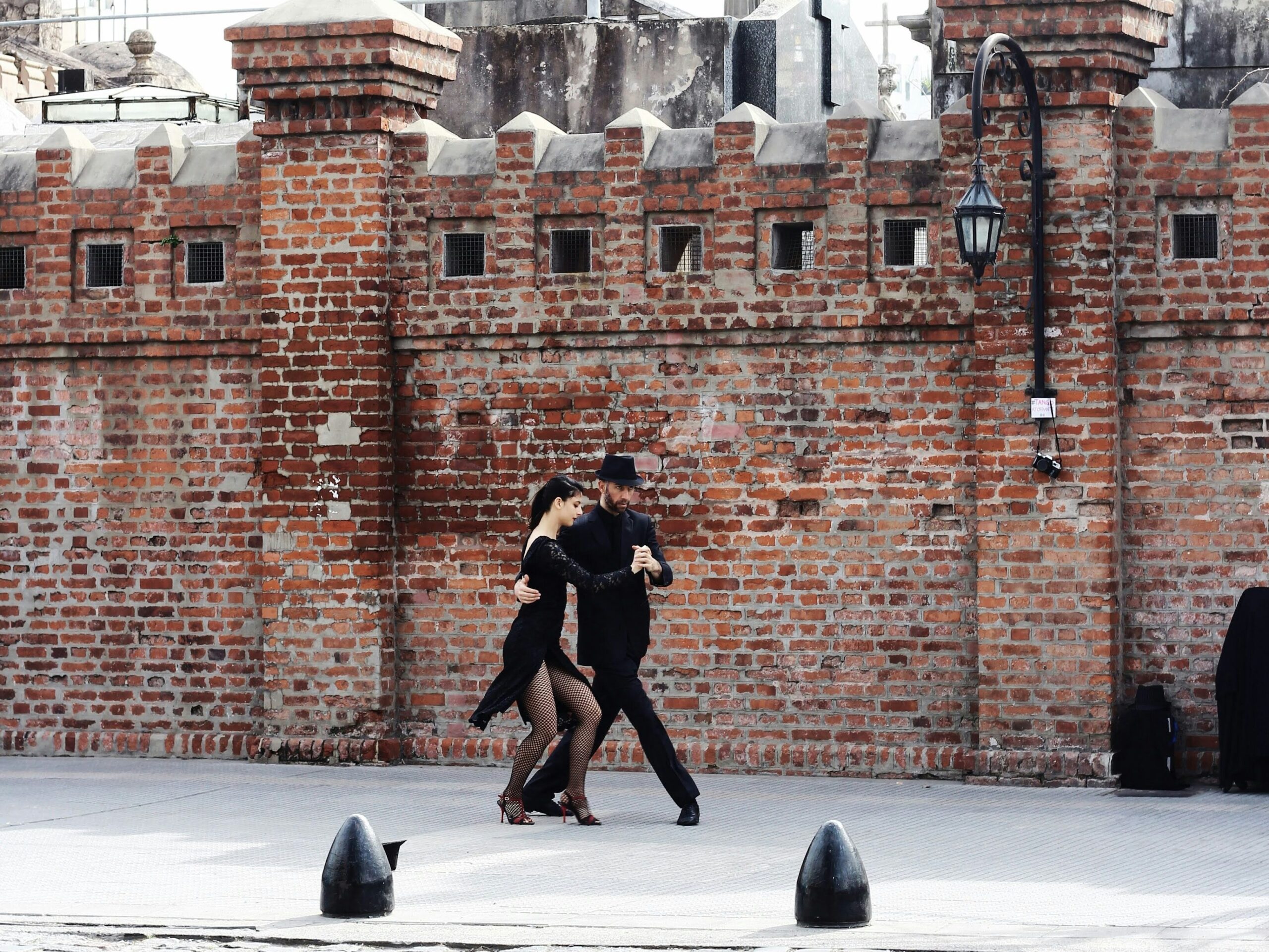
Tango is one of the world’s most recognizable and passionate dance styles, captivating audiences with its elegance, emotion, and remarkable artistry. Whether you’ve never attended a performance before or you’re planning your next cultural outing, it’s natural to have questions about what to expect. Tango shows combine incredible dance, live music, theatrical storytelling, and stunning costumes into an unforgettable experience that appeals to visitors of all ages.
If you’re considering attending your first performance, this guide answers many of the most frequently asked questions about tango shows to help you feel prepared and excited.
What Exactly Is a Tango Show?
A tango show is a live theatrical performance centered around Argentine tango. Unlike a social tango dance held in neighborhood dance halls, known as milongas, a tango show is carefully choreographed and professionally produced for an audience.
Most performances feature:
- Professional tango dancers
- Live musicians or orchestras
- Talented vocalists
- Beautiful lighting and stage design
- Elegant costumes
- A blend of traditional and modern choreography
Many shows also incorporate elements of Argentine history and culture, allowing audiences to appreciate the origins and evolution of tango while enjoying world-class entertainment.
Do I Need to Know Anything About Tango Before Attending?
Not at all.
One of the wonderful aspects of tango shows is that they are designed for everyone, regardless of experience. You don’t need to understand tango steps, music, or history to enjoy the performance.
The storytelling happens through movement, music, and emotion. Even first-time audience members quickly become immersed in the dramatic atmosphere.
Of course, learning a little about tango beforehand can deepen your appreciation, but it certainly isn’t necessary.
Are Tango Shows Appropriate for Families?
Most professional tango shows are suitable for older children, teenagers, adults, couples, and seniors.
While tango is known for its sensuality and close embrace, professional performances emphasize artistry, elegance, and emotional storytelling rather than anything inappropriate.
Parents with younger children should check the venue’s recommendations, as some performances run for two hours or longer, which may be difficult for very young audiences.
How Long Does a Tango Show Last?
Most tango performances last between 90 minutes and two hours.
Many include:
- One intermission
- Multiple dance numbers
- Live musical performances
- Vocal performances
- Costume changes
- Different choreographic styles
Dinner shows may last longer since they combine dining with entertainment.
Should I Dress Up?
Most venues don’t require formal attire, but many guests enjoy dressing nicely for the occasion.
Business casual or smart casual clothing is usually appropriate.
For example:
- Dresses
- Slacks
- Nice jeans with a collared shirt
- Sport coats
- Blouses
- Dress shoes
Some upscale venues encourage cocktail attire, especially for evening dinner shows.
Comfort is important too, especially if you’ll be walking around the city before or after the performance.
Are Tango Shows Only Dancing?
Not at all.
Many people are surprised to discover how much variety is included in a professional tango production.
A typical show often features:
- Traditional Argentine tango
- Modern tango interpretations
- Folk-inspired dances
- Live orchestral music
- Solo vocal performances
- Dramatic storytelling
- Comedy or lighter moments
- Fast-paced ensemble numbers
This variety keeps the performance engaging from beginning to end.
Will There Be Live Music?
Many of the best tango shows feature live orchestras.
Traditional tango orchestras often include instruments such as:
- Bandoneón
- Piano
- Violin
- Double bass
- Guitar
The haunting sound of the bandoneón is especially iconic and gives tango much of its emotional character.
Some productions use recorded music, while premium shows frequently showcase exceptional live musicians who become an integral part of the performance.
What Makes Argentine Tango Different From Ballroom Tango?
Although they share common roots, Argentine tango and ballroom tango have developed into distinct dance styles.
Argentine tango focuses on:
- Improvisation
- Musical interpretation
- Close connection between partners
- Natural movement
- Emotional expression
Ballroom tango emphasizes:
- Structured choreography
- Competitive technique
- Sharp head movements
- Precise body positions
- Formal dance patterns
Professional tango shows typically showcase authentic Argentine tango while occasionally incorporating theatrical elements for larger audiences.
Can I Take Photos or Videos?
Photography policies vary by venue.
Many theaters allow photos before the performance or during curtain calls but prohibit photography while the show is in progress.
Flash photography is almost always prohibited because it distracts performers and other audience members.
If you’re unsure, simply ask a staff member or review the venue’s guidelines before the performance begins.
Is Dinner Included?
Some tango shows are dinner shows, while others focus solely on the performance.
Dinner packages often include:
- Multi-course Argentine cuisine
- Wine
- Dessert
- Reserved seating
- Premium viewing locations
Performance-only tickets are also widely available and are a great option for visitors who prefer dining elsewhere.
Do Performers Dance the Entire Time?
While dance is the centerpiece, professional productions usually alternate between different forms of entertainment.
The pacing often includes:
- Group dance numbers
- Romantic duets
- Solo musicians
- Vocal performances
- Instrumental interludes
- Dramatic ensemble pieces
This creates a balanced experience with plenty of visual and musical variety.
Where Should I Sit?
Nearly every seat offers a wonderful experience, but seating preferences depend on what you enjoy most.
Front-row seats provide:
- Incredible detail
- Close-up views of footwork
- Intense emotional connection
Middle seating offers:
- Excellent perspective of formations
- Balanced stage views
- Great sound quality
Balcony seating allows audiences to appreciate the full choreography and stage design from above.
Is Tango Difficult to Appreciate If I Don’t Speak Spanish?
Not at all.
The beauty of tango lies in its universal emotional language.
Even if songs are performed in Spanish, audiences can easily understand the emotions conveyed through:
- Facial expressions
- Body language
- Music
- Choreography
- Stage direction
Many visitors who don’t speak Spanish describe tango as one of the most emotionally moving performances they’ve ever experienced.
Are Tango Shows Romantic?
Absolutely—but not exclusively.
Tango often explores themes such as:
- Love
- Passion
- Longing
- Joy
- Heartbreak
- Reunion
- Celebration
These emotions resonate with audiences regardless of their relationship status. Couples often enjoy tango shows as a memorable date night, but solo travelers, families, and groups of friends also find them deeply rewarding.
Can I Learn Tango After Watching a Show?
Many people leave their first tango performance feeling inspired to learn the dance themselves.
Numerous tango schools around the world offer beginner lessons, and some venues even provide introductory classes before the performance or host social dancing afterward.
Watching professionals won’t instantly teach you the steps, but it can spark a lifelong appreciation for the art form and motivate you to step onto the dance floor yourself.
Why Are Tango Shows So Popular?
Tango performances continue to attract audiences from around the globe because they combine so many artistic elements into one unforgettable experience.
A single evening can include breathtaking choreography, powerful live music, elegant costumes, theatrical storytelling, and genuine emotional expression. Every performance celebrates the rich heritage of Argentine tango while showcasing the extraordinary skill and dedication of its performers.
Whether you’re visiting Buenos Aires or enjoying a tango show in another part of the world, you’ll discover that each production offers its own unique interpretation of this timeless art form. Even if you’ve never watched tango before, you’ll likely leave with a deeper appreciation for the music, the culture, and the incredible connection shared between the dancers. It’s an experience that lingers long after the final bow, making it easy to understand why tango shows remain one of the world’s most beloved live performances.