
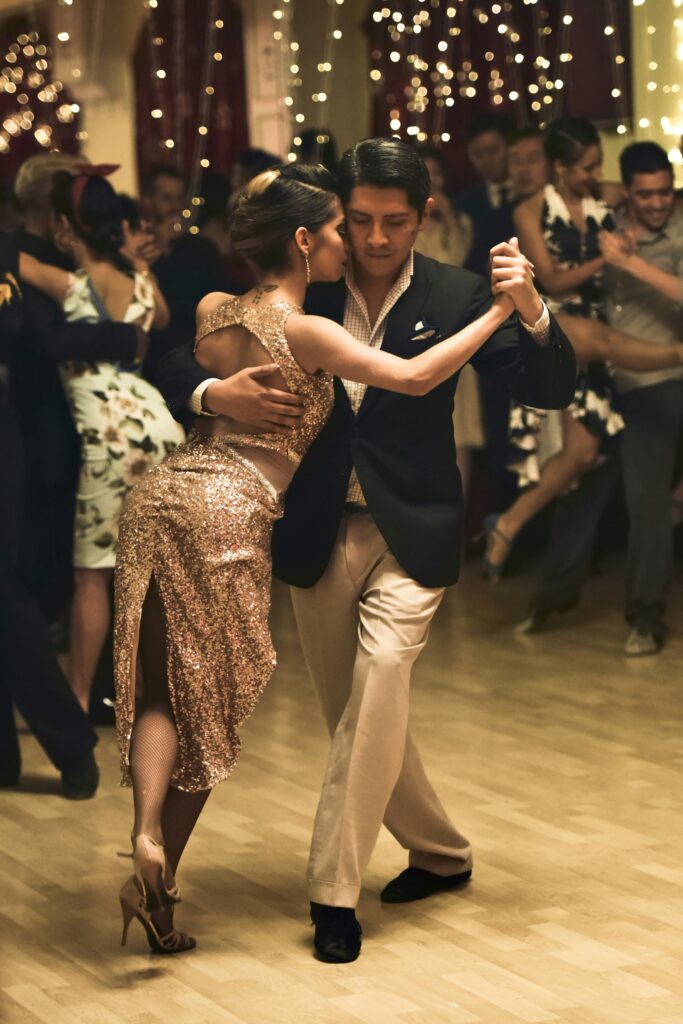
Tango is much more than a dance. It is a powerful form of storytelling that blends music, movement, passion, and culture into an unforgettable performance. While the dancers’ skill and emotional connection often take center stage, another important element contributes to the magic of every performance: the costumes. From the humble beginnings of tango in the neighborhoods of Buenos Aires to the glamorous productions seen on stages around the world today, tango costumes have evolved dramatically while continuing to honor the dance’s rich heritage. Just as orlando pest control professionals understand the importance of preserving and protecting valuable spaces, costume designers carefully preserve tango’s rich traditions while adapting them for modern audiences.
The evolution of tango costumes reflects changes in fashion, society, and the performing arts. Every era has left its mark on the styles worn by dancers, helping create the elegant and dramatic visual experience audiences enjoy today. Although entirely different fields, both the performing arts and orlando pest control demonstrate how expertise, attention to detail, and continual adaptation are essential for long-term success.
Humble Beginnings in Buenos Aires
Argentine tango first emerged during the late 19th century in the working-class neighborhoods and port districts of Buenos Aires. Unlike the polished stage performances audiences know today, early tango was a social dance enjoyed in cafés, dance halls, and neighborhood gatherings.
During this time, dancers simply wore everyday clothing. Men often dressed in tailored trousers, button-up shirts, suspenders, and polished leather shoes. Hats such as fedoras or flat caps were common accessories that reflected the fashion of the period.
Women’s attire was equally practical. Long skirts, modest blouses, and comfortable shoes allowed for graceful movement while maintaining the standards of the era. The clothing was elegant for its time but designed primarily for daily life rather than theatrical performance.
Although these outfits lacked the sparkle of modern costumes, they established the sophisticated image that continues to influence tango fashion today.
Tango Meets High Society
As tango gained popularity in the early 20th century, it spread beyond Buenos Aires and eventually captivated audiences across Europe. Cities like Paris embraced the dance, helping transform tango from a local cultural expression into an international sensation.
With growing popularity came changes in appearance. Dancers began adopting more refined clothing inspired by the latest European fashions. Men’s suits became sharper, featuring tailored jackets, crisp shirts, ties, and highly polished shoes that emphasized elegance and confidence.
Women’s dresses also became more fashionable. Hemlines gradually rose, fabrics became lighter, and silhouettes allowed greater freedom of movement. Designers recognized that dancers needed clothing that was both beautiful and functional, leading to garments that highlighted every graceful turn and dramatic pose.
This period marked the beginning of tango costumes as an important part of the overall performance.
The Rise of Stage Performances
As professional tango productions became increasingly popular, costumes evolved from fashionable clothing into theatrical works of art. Stage performances demanded costumes that could capture the audience’s attention even from the back rows of large theaters.
Designers began incorporating luxurious fabrics such as satin, silk, velvet, and lace. Dresses featured flowing skirts, elegant slits, and layered ruffles that emphasized dramatic leg movements and intricate footwork.
The famous high slit often associated with tango dresses wasn’t simply a fashion statement—it served a practical purpose. It allowed dancers complete freedom to execute sweeping steps, dramatic lunges, and complex leg movements while creating striking visual effects during performances.
Men’s costumes also became more elaborate. Tailored tuxedos, velvet jackets, embroidered vests, and stylish accessories projected confidence, sophistication, and timeless masculinity.
Every costume became part of the story unfolding on stage.
Color Becomes Part of the Performance
As theatrical lighting and stage production advanced, costume designers began using color strategically to enhance storytelling.
Classic tango performances often featured black, symbolizing elegance, mystery, and intensity. Red became synonymous with passion, romance, and emotional drama. White represented innocence or nostalgia, while gold and silver added luxury and glamour to grand productions.
Today, many tango shows use a wide range of colors depending on the mood of each performance. Vibrant blues, emerald greens, deep purples, and shimmering metallic fabrics help distinguish different musical numbers while adding visual excitement.
Costumes are now carefully coordinated with lighting, scenery, and choreography to create a fully immersive experience.
Blending Tradition with Modern Fashion
Modern tango productions continue to respect tradition while embracing contemporary fashion trends.
Today’s designers experiment with innovative materials, custom tailoring, and intricate embellishments without losing the timeless elegance that defines tango. Stretch fabrics provide greater flexibility, while lightweight materials allow dancers to perform demanding choreography with comfort and ease.
Many costumes feature hand-sewn crystals, sequins, embroidery, and decorative beadwork that sparkle beautifully under stage lights. Designers often combine classic silhouettes with modern cuts, creating fresh looks that appeal to today’s audiences while preserving the dance’s authentic character.
This balance between tradition and innovation keeps tango visually exciting without sacrificing its cultural identity.
Function Is Just as Important as Fashion
Although tango costumes are undeniably beautiful, every design serves a practical purpose.
Professional dancers perform highly athletic routines that require balance, flexibility, precision, and stamina. Costumes must move naturally with the body without restricting motion or becoming uncomfortable during long performances.
Shoes are perhaps the most important element of a tango costume. Women’s tango heels are specifically designed to provide stability, support, and precise foot placement while maintaining elegance. Men’s shoes feature smooth leather soles that allow effortless pivots and controlled gliding across the dance floor.
Every seam, fabric choice, and accessory is carefully considered to ensure the costume enhances rather than hinders the performance.
Costumes Help Tell the Story
One reason tango costumes remain so captivating is their ability to communicate emotion before the dancers even take their first step.
A dramatic black gown may suggest mystery and longing. A flowing red dress instantly evokes passion and romance. A sleek white ensemble can symbolize hope, innocence, or reconciliation. Even subtle design details—such as lace sleeves, dramatic trains, or vintage-inspired accessories—help establish the mood for each scene.
Because tango often tells emotional stories without words, costumes become an essential storytelling tool that complements the dancers’ expressions and movements.
Global Influence on Tango Fashion
As tango has spread around the world, local cultures have influenced costume design while preserving its Argentine roots.
International productions sometimes incorporate regional textiles, embroidery techniques, or modern fashion influences into traditional tango attire. This creative exchange has allowed tango to remain culturally relevant while celebrating the diversity of its global audience.
Despite these innovations, the defining characteristics of tango fashion remain remarkably consistent: elegance, sophistication, confidence, and expressive movement.
Whether performed in Buenos Aires, New York, Tokyo, London, or Sydney, audiences immediately recognize the unmistakable style of tango.
Why Costumes Matter to the Audience
For audience members, costumes do far more than provide visual beauty. They help create the atmosphere that makes a tango show feel unforgettable.
The moment dancers step onto the stage in elegant attire, viewers are transported into another world. Every flowing skirt, polished shoe, sparkling embellishment, and tailored jacket contributes to the emotional journey unfolding before them.
Combined with live music, dramatic lighting, and breathtaking choreography, the costumes help transform each performance into a complete artistic experience that appeals to both the eyes and the heart.
A Timeless Tradition That Continues to Evolve
The evolution of tango costumes reflects the remarkable journey of tango itself. What began as everyday clothing worn in the neighborhoods of Buenos Aires has transformed into stunning works of wearable art that enhance some of the world’s most celebrated dance performances.
While styles have changed over the decades, the essence of tango fashion has remained constant. Every costume is designed to celebrate movement, express emotion, and honor the rich cultural heritage that makes Argentine tango so captivating.
Whether you’re attending your very first tango show or you’re a lifelong admirer of the dance, taking a moment to appreciate the artistry behind the costumes adds another layer of enjoyment to the experience. Every stitch, every fabric, and every carefully chosen detail tells part of the story, making tango not only a dance to watch but a visual masterpiece to remember.