Attending your first tango show can feel mysterious.

Is it formal?
Is it romantic?
Is it more like ballet or more like a concert?

The truth is — it’s a little bit of all of those things, and yet something entirely its own.

If you’ve never experienced live tango before, this guide will walk you through exactly what to expect, so you can arrive confident, relaxed, and ready to fully enjoy the performance.

The Atmosphere: Intimate, Dramatic, and Immersive

One of the first things you’ll notice at a tango show is the atmosphere.

Unlike large-scale arena concerts, tango performances are designed to feel personal. Even in bigger theaters, the staging, lighting, and music create a sense of intimacy between performers and audience.

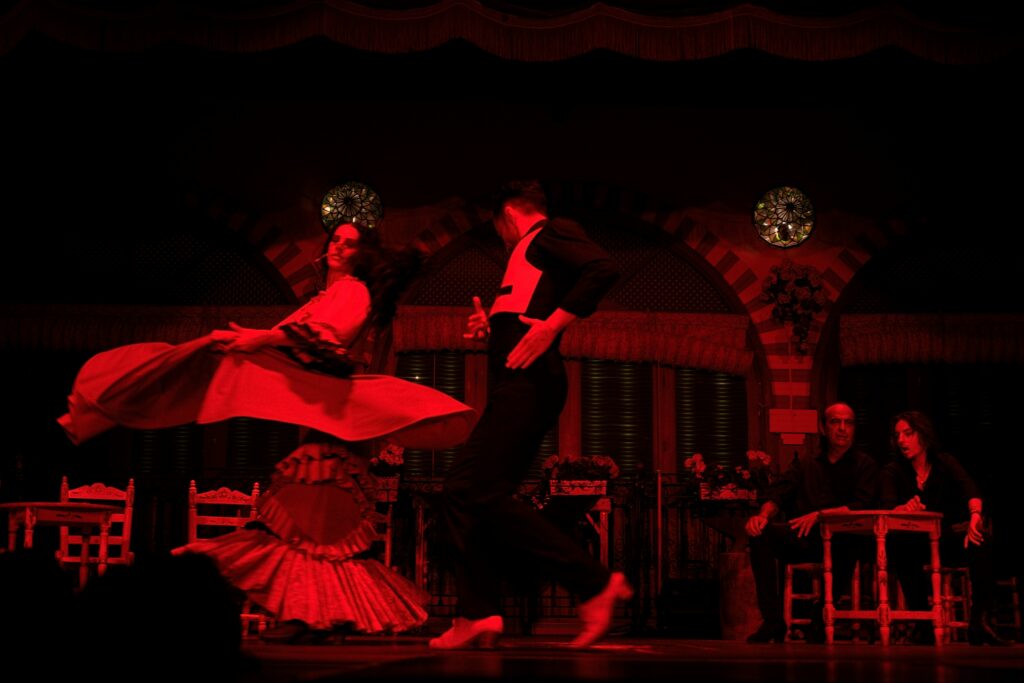
Lighting tends to be moody — deep reds, warm ambers, and shadowy blues dominate the stage. Tables may be candlelit if you’re attending a dinner-and-show format. The stage is often relatively close to the audience, allowing you to see facial expressions, subtle movements, and intricate footwork.

In cities like Buenos Aires, tango venues range from historic theaters with ornate balconies to elegant cabaret-style spaces where dinner is served before the performance begins. Some shows are grand and theatrical; others feel almost secretive and underground.

No matter the setting, expect a sense of anticipation in the room. Tango audiences are attentive. When the lights dim, conversations stop almost instantly. There’s a quiet understanding that something intense is about to unfold.

The Music: The Soul of Tango

Tango is inseparable from its music. Even before the dancers take the stage, the first notes will set the emotional tone.

Many professional tango shows feature live musicians. You may see a small orchestra seated to the side of the stage or centered behind the dancers. In other productions, high-quality recorded tracks are used — but always with dramatic precision.

You will likely hear:

  • Bandoneón (the signature instrument of tango)
  • Piano
  • Violin
  • Double bass
  • Vocals

The bandoneón, in particular, has a haunting, almost breathing quality. Its sound is instantly recognizable and deeply emotional.

Music inspired by composers like Astor Piazzolla often blends traditional tango rhythms with modern influences, incorporating elements of jazz and classical music. This creates dynamic shifts — from slow, smoldering passages to explosive, fast-paced crescendos.

One important thing to listen for: silence.

Tango uses pauses deliberately. A sudden stop in the music heightens tension. Dancers may freeze mid-movement, holding eye contact. The stillness becomes as powerful as motion. When the music resumes, the release feels electric.

The Structure of the Show

Most tango shows follow a structured format that keeps the energy flowing and the audience engaged.

Typically, you can expect:

  • Ensemble group numbers with multiple couples on stage
  • Solo or duet performances that highlight star dancers
  • Vocal interludes featuring traditional tango songs
  • A high-energy finale with dramatic choreography

Some productions tell a cohesive story — perhaps tracing tango’s origins in Argentina or following a fictional romance. Others focus purely on spectacle, presenting a series of visually stunning dance numbers without a specific narrative.

Shows generally run between 60 and 90 minutes, sometimes longer if dinner service is included. The pacing is intentional. Slower, emotionally heavy pieces are often balanced with faster, technically impressive routines to maintain rhythm throughout the evening.

The Dance Style: Precision Meets Passion

If you’ve only seen social tango at a local dance night, you may be surprised by stage tango.

Stage tango is bigger. Sharper. More theatrical.

While social tango emphasizes subtle communication between partners, performance tango amplifies movement for visual impact.

Expect to see:

  • High leg flicks (boleos)
  • Rapid, intricate footwork
  • Deep lunges and dramatic dips
  • Lifts and aerial elements (in some productions)
  • Intense, prolonged eye contact

Despite the choreography being carefully rehearsed, the dance is designed to feel spontaneous. Tango is built on connection — the illusion that each step is being decided in the moment.

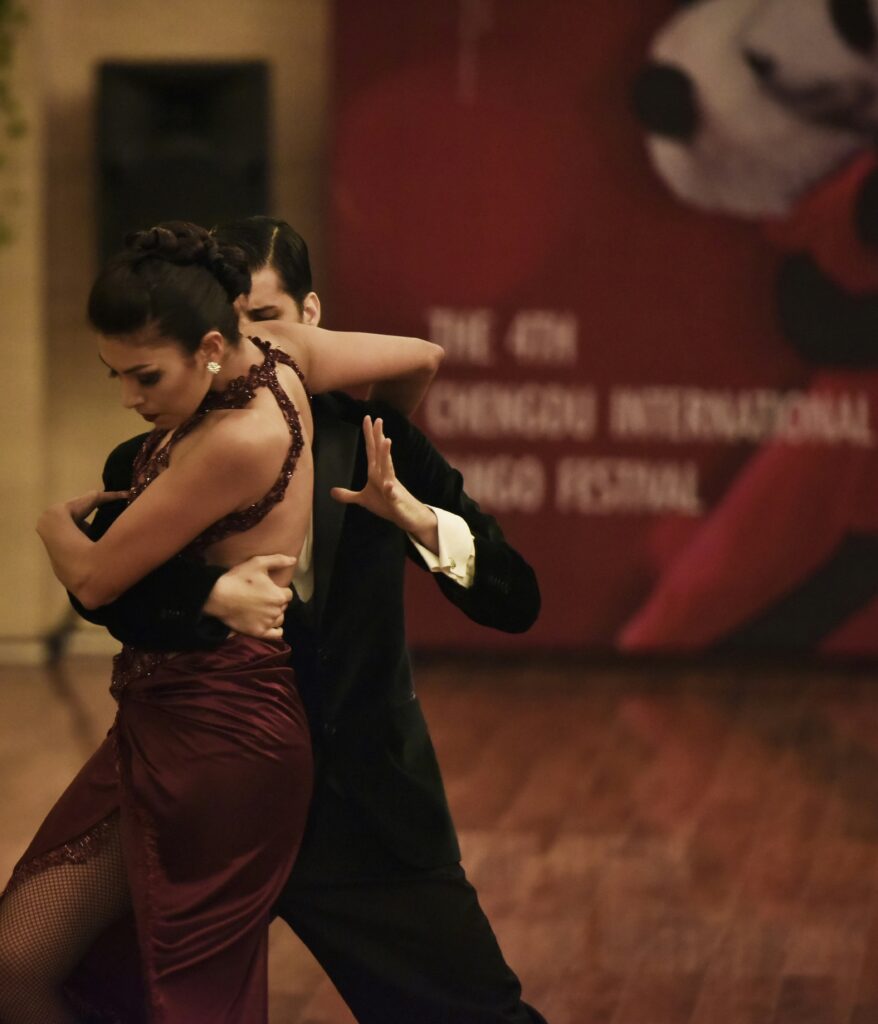
You’ll likely notice how close the dancers stand to one another. The embrace is central to tango. Even during dramatic flourishes, there’s an underlying sense of unity between partners.

Dress Code: What Should You Wear?

Many first-time attendees worry about what to wear.

The good news: tango shows are generally not overly formal unless explicitly stated.

Smart casual attire is usually perfect. For dinner shows, business casual or cocktail attire works well. Think:

  • A nice dress or blouse
  • Slacks or dark jeans
  • Button-down shirts
  • Dress shoes or elegant flats

You do not need a gown or tuxedo unless the venue specifies black-tie attire.

Comfort is important. You’ll be seated for most of the performance, so choose something you can relax in while still feeling polished.

Emotional Intensity: Be Prepared to Feel Something

Tango is passionate. Not in a flashy, exaggerated way — but in a focused, emotionally charged manner.

Common themes in tango performances include:

  • Desire
  • Conflict
  • Jealousy
  • Separation
  • Reunion

The chemistry between dancers can feel incredibly intense. This is intentional. Tango is often described as a “conversation without words.” Through posture, breath, and gaze, dancers communicate tension and vulnerability.

Don’t be surprised if you find yourself emotionally invested in a performance, even without dialogue. The storytelling is physical. You feel the push and pull between partners.

That emotional authenticity is one of tango’s most powerful qualities.

Audience Etiquette: How to Be a Respectful Guest

Tango audiences are typically very respectful — and you should plan to be the same.

A few simple guidelines:

  • Avoid talking during performances
  • Silence or turn off your phone
  • Refrain from using flash photography
  • Applaud enthusiastically after major numbers

In more traditional venues, audiences may also applaud musical solos — especially bandoneón or vocal performances.

Tango relies heavily on atmosphere. Even small distractions can break the tension the performers work so hard to build.

After the Show: What Happens Next?

Many first-time guests leave a tango show feeling inspired.

Some venues offer beginner tango lessons before or after performances. Others provide meet-and-greet opportunities with dancers and musicians. In tango-centric cities like Buenos Aires, you may even be directed toward local milongas — social dance gatherings where anyone can participate.

If the experience moves you, consider taking a beginner class. Tango is accessible to newcomers, and many studios welcome complete beginners.

Even if you don’t plan to dance yourself, attending additional shows will deepen your appreciation. Each performance reveals new layers of technique and storytelling.

Why Your First Show Won’t Be Your Last

Tango has depth.

The first time you watch, you notice the drama — the dramatic dips, the intense expressions, the striking costumes.

The second time, you begin to see:

  • Subtle shifts of weight
  • Musical interpretation in tiny foot movements
  • Emotional nuance in a single glance
  • The silent communication between partners

Tango rewards attention.

It is not just about spectacle — it is about connection, tension, and release. The more you watch, the more you understand how much is happening beneath the surface.

Your first tango show introduces you to the passion. Your second reveals the craft. By the third, you may find yourself completely captivated.

And that is how tango captures people — not all at once, but gradually, through rhythm, movement, and emotion.

One performance at a time.
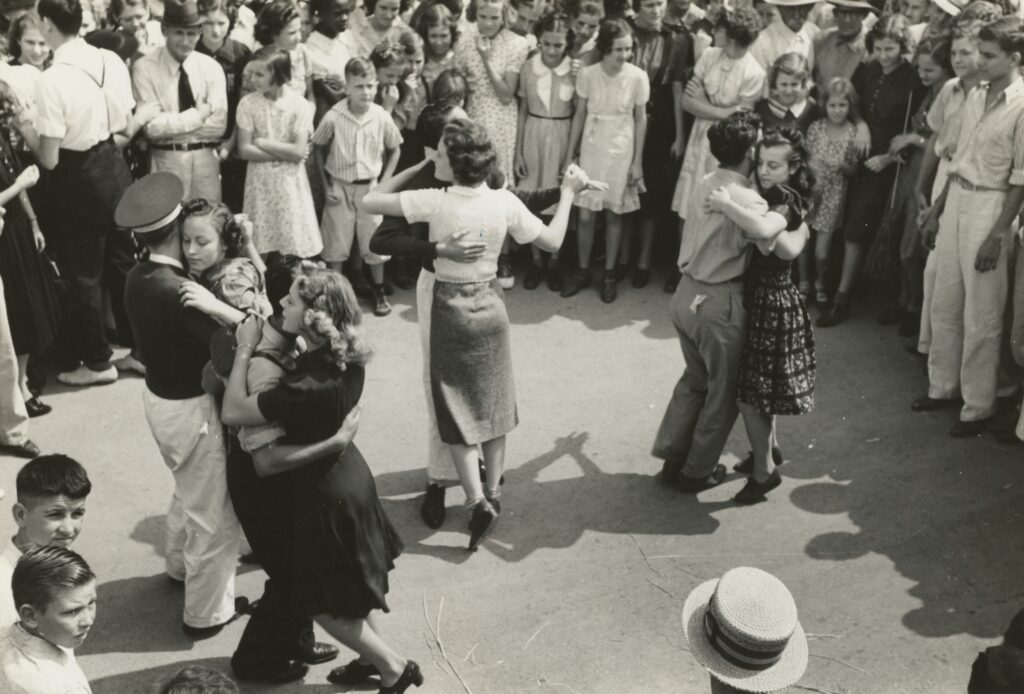
Tango began in the shadows of port cities. Today, it commands stages worldwide.

The journey from neighborhood dance halls in Buenos Aires and Montevideo to international theaters across Europe, Asia, and North America is one of the most fascinating cultural evolutions in modern performance art. What started as an intimate, improvised dance between marginalized communities transformed into a global theatrical phenomenon that continues to captivate audiences more than a century later.

Humble Beginnings

In the late 19th century, tango emerged in the working-class districts along the Río de la Plata. Immigrants from Italy and Spain, freed African slaves, and local criollo populations blended musical traditions into something entirely new. African rhythms, European melodies, and Latin American folk influences fused into a sound that was both melancholic and defiant.

Early tango was raw. It was danced in crowded bars, courtyards, and modest social clubs. The embrace was close. The movements were grounded and deliberate. There was no choreography—only improvisation and connection.

At first, high society rejected it. The dance was considered improper, even scandalous. Its sensual undertones and intimate positioning shocked Argentina’s upper class. But controversy often fuels curiosity. The very elements that made tango taboo also made it irresistible.

By the early 1900s, tango had crossed the Atlantic. And once it reached Paris, everything changed.

Paris: The Turning Point

When tango arrived in Paris in the early 20th century, it underwent a dramatic transformation. The French elite embraced the dance with enthusiasm. Aristocrats and artists flocked to tango salons. Dance instructors began formalizing its technique, refining posture, footwork, and presentation.

Fashion adapted to the dance. Women’s dresses were redesigned to allow dramatic leg movements. Men adopted sleek, tailored silhouettes that complemented tango’s sharp elegance. Tango became chic.

Once Paris approved of tango, the rest of Europe and North America followed. In a matter of years, what had once been dismissed as a rough street dance was now celebrated in ballrooms and cultural centers.

Tango transformed from a gritty social expression into a refined art form suitable for grand stages. It gained legitimacy—and with that legitimacy came expansion.

The Golden Age of Tango

Between the 1930s and 1950s, tango flourished in Argentina in what is often called its Golden Age. Dance halls filled nightly. Live orchestras performed to packed rooms. Radio broadcasts spread tango music into homes across the country.

Singers became national icons. None more so than Carlos Gardel, whose voice defined the emotional sound of tango canción. His recordings remain deeply influential, symbolizing romance, longing, and nostalgia.

During this period, tango performances grew more theatrical. Large productions began incorporating:

  • Live orchestras with full arrangements
  • Ensemble choreography
  • Dramatic lighting
  • Narrative storytelling elements

What had once been a purely social dance evolved into staged spectacles designed for seated audiences. Tango shows became immersive experiences, blending music, dance, and drama into cohesive performances.

The art form was no longer confined to dance halls. It was becoming performance art.

Political and Cultural Shifts

Tango’s rise was not without interruption. Argentina experienced periods of political instability throughout the mid-20th century. Public gatherings were restricted during certain regimes, and tango’s presence in everyday nightlife declined.

At the same time, global musical tastes shifted. Rock and roll and other modern genres gained popularity among younger generations. Tango, once revolutionary, began to feel traditional.

But tango never disappeared.

Instead, it reinvented itself.

Visionary composer Astor Piazzolla revolutionized the genre with nuevo tango. By blending jazz harmonies, classical structures, and experimental arrangements, Piazzolla elevated tango into concert halls and international festivals. His compositions expanded tango’s musical boundaries and introduced it to audiences who might never have attended a traditional dance show.

This reinvention was critical. It proved that tango could evolve while preserving its emotional core.

Broadway and International Expansion

In the late 20th century, large-scale tango productions began touring internationally. One of the most influential was Tango Argentino, which premiered in Paris before moving to Broadway in New York City.

The show was a sensation. It introduced global audiences to authentic Argentine tango music and dance performed by world-class artists. Critics praised its intensity, precision, and emotional power. Audiences were captivated.

Suddenly, tango was not simply a cultural export—it was a theatrical event.

Major cities like New York City and London embraced tango productions. Touring companies traveled across continents. International tango festivals emerged. Dance schools opened worldwide.

Tango was no longer confined to Argentina. It belonged to the world.

Tango in Modern Cities

Today, you can attend tango shows in cities far from its birthplace.

In Barcelona, productions blend Spanish theatrical flair with Argentine tradition. In Tokyo, tango communities thrive with remarkable technical precision and devotion to authenticity. In Miami, Latin influences add vibrant energy to performances.

Of course, Buenos Aires remains the epicenter. Neighborhood venues and grand theaters alike host nightly shows ranging from intimate quartet performances to elaborate stage productions complete with live orchestras and dramatic staging.

Each city adds its own stylistic flavor while respecting tango’s traditional roots. This adaptability has allowed tango to integrate into diverse cultures without losing its identity.

Why Tango Translates Across Cultures

Tango speaks the universal language of human emotion.

You do not need to understand Spanish lyrics to feel longing in a melody. You do not need dance training to recognize the tension between two performers locked in a slow, deliberate walk. The pause before a dramatic dip. The sharp pivot. The subtle brush of a foot.

Themes of love, loss, pride, jealousy, and reconciliation resonate globally. Tango distills complex emotions into visible movement. It makes the invisible tangible.

Unlike some performance styles that rely heavily on spoken language, tango communicates primarily through music and physical dialogue. This makes it accessible across linguistic and cultural barriers.

It is intimate yet theatrical. Structured yet improvised. Dramatic yet authentic.

That emotional clarity is what allows tango to thrive anywhere in the world.

The Evolution of Modern Tango Shows

Contemporary tango productions continue to push creative boundaries. While traditionalists preserve classic styles, modern directors experiment with:

  • Contemporary lighting design
  • Multimedia projections
  • Fusion music elements
  • Cross-genre choreography incorporating ballet or contemporary dance

Some productions emphasize historical storytelling, tracing tango’s origins through costume and narration. Others focus purely on technical mastery, showcasing breathtaking footwork and intricate partner sequences.

Yet at its core, tango remains what it has always been: a dialogue between two bodies and one piece of music.

The embrace is still central. The connection is still real. Even in a theater with thousands of seats, tango feels personal.

The Future of a Global Art Form

As global audiences continue to seek authentic, emotionally powerful experiences, tango shows remain uniquely positioned to deliver them. In a digital world dominated by screens, tango offers something immediate and human.

Its journey—from marginalized port neighborhoods to the grand stages of the world—demonstrates the resilience of cultural expression. Tango survived social rejection, political upheaval, and shifting musical trends. Each challenge forced adaptation. Each adaptation strengthened its global reach.

Today, tango is taught on every continent. International festivals draw dancers from dozens of countries. Touring companies introduce new generations to its passion.

From dimly lit corners of Buenos Aires to prestigious theaters across Europe, Asia, and the Americas, tango’s evolution proves one powerful truth:

Art that speaks honestly to human emotion cannot be contained.

It travels.
It transforms.
And it endures.

There is something electric about a live tango show. The lights dim. The first dramatic notes of the bandoneón rise through the theater. A dancer steps forward — slow, controlled, magnetic. Within seconds, the room belongs to them.

Tango is not just a dance. It is tension. It is conversation. It is history wrapped in movement.

A live tango show captures all of that in one unforgettable experience — blending music, movement, storytelling, and raw human emotion into a performance that leaves audiences silent, then roaring with applause.

The Power of the Music

At the heart of tango lies the music. The soulful sound of the bandoneón — often called the voice of tango — sets the emotional tone from the very first note. Unlike many dance performances where music feels secondary, tango music commands attention. It leads. The dancers follow.

Composers such as Astor Piazzolla revolutionized tango by blending classical structure and jazz influences with traditional Argentine rhythms, creating what became known as nuevo tango. Meanwhile, the legendary Carlos Gardel brought tango to the world stage with his haunting voice and emotional recordings, turning tango into both a dance phenomenon and a concert art form.

In a live tango show, the music is not background ambiance — it is the heartbeat of the performance.

The sharp staccato notes create urgency. Sweeping violins introduce longing. The deep pulse of the piano grounds the rhythm. And then there are the pauses — those dramatic silences that make the audience hold its breath. When the music suddenly stops and a dancer freezes mid-pose, the stillness feels intentional, almost sacred.

Every step, pivot, and dramatic leg extension responds directly to the music’s phrasing. The dancers are not simply moving to a beat; they are interpreting emotion in real time.

The Dance: Precision and Passion

Tango is built on control. The traditional embrace — often chest-to-chest — creates a level of connection that is rare in other partner dances. Subtle weight shifts, micro-adjustments in posture, and shared breath patterns form a silent language between partners.

But on stage, tango expands.

Stage tango (sometimes called tango escenario) takes the intimate language of social tango and amplifies it for theatrical impact. Movements become larger. Lifts soar higher. Spins accelerate. Dramatic leg flicks slice through the air with precision.

Professional tango performers train for years to master:

  • Balance and posture
  • Musical interpretation
  • Improvisation
  • Partner connection
  • Footwork speed and accuracy
  • Stage presence and projection

What makes a great tango show so powerful is the balance between raw emotion and flawless technique. Audiences are drawn in by passion — but they stay mesmerized because of the control.

The sharp echo of heels striking the stage. The clean, lightning-fast footwork of intricate sequences. The perfectly timed dip at the crescendo of the music. Every element is calculated, yet it feels spontaneous.

That illusion of spontaneity is part of tango’s magic.

The Storytelling Element

Unlike social tango in a milonga, stage tango often tells a story. Even when there are no spoken words, the narrative unfolds clearly through movement and expression.

Some productions explore tango’s historical roots in the neighborhoods of Buenos Aires and Montevideo, where immigrant communities shaped the dance in the late 19th century. Others focus on dramatic love stories filled with jealousy, longing, betrayal, and reconciliation.

A glance across the stage can signal desire.
A rejected embrace can suggest heartbreak.
A sharp turn away can symbolize anger.

In many tango shows, the emotional arc mirrors real human relationships — attraction, tension, conflict, and resolution. The audience does not need dialogue to understand what is happening. The body language speaks clearly.

This storytelling aspect elevates tango from dance performance to theatrical experience. Viewers are not just watching steps; they are witnessing emotional conflict unfold in physical form.

Costumes and Visual Drama

A live tango show is as visually captivating as it is musically powerful.

For women, flowing dresses in deep reds, blacks, or jewel tones highlight dramatic leg lines. Thigh-high slits emphasize rapid footwork and elegant extensions. Sparkling heels catch the stage lights with every pivot.

For men, sharply tailored suits reinforce tango’s elegance and authority. Slicked-back hair, polished shoes, and confident posture create a commanding stage presence.

Lighting plays a crucial role in shaping the mood. Deep red washes evoke passion. Cool blue tones suggest longing or solitude. Spotlights isolate dancers during emotionally intense moments, creating cinematic tension.

Theatrical smoke, dramatic shadows, and layered stage design add to the atmosphere — yet despite the production elements, tango never feels artificial. At its core, it remains a dance about connection between two people.

Why Audiences Keep Coming Back

People attend tango shows for many reasons:

  • Romance
  • Cultural exploration
  • Musical appreciation
  • Date nights
  • Travel experiences
  • Bucket-list performances

But they return for something deeper.

Tango feels authentic.

The closeness between partners demands vulnerability. Even in choreographed routines, there is an ever-present sense of risk — a feeling that something unexpected could happen. That tension keeps audiences engaged.

Unlike heavily produced dance styles that rely on spectacle alone, tango draws power from subtlety. A slight tightening of an embrace can shift the emotional tone of an entire piece. A single pause can generate more suspense than a flurry of movement.

Each performance feels alive, unique to that night’s energy.

Tango as Cultural Heritage

Tango is more than entertainment — it is living history. In 2009, Argentine and Uruguayan tango was officially recognized by UNESCO as Intangible Cultural Heritage of Humanity.

This designation acknowledges tango’s deep roots in immigrant communities, port cities, and working-class neighborhoods along the Río de la Plata. Influences from African rhythms, European melodies, and Latin American traditions blended together to create a dance that reflected both struggle and resilience.

Attending a tango show is not just watching performers on stage — it is witnessing a cultural legacy that has traveled across continents and generations.

From the streets of Buenos Aires to grand theaters in Paris, New York, and Tokyo, tango continues to evolve while honoring its origins.

The Emotional Aftermath

A truly great tango show lingers long after the curtain falls.

You leave the theater quieter than when you entered. The rhythm of the bandoneón echoes in your mind. The sharp click of heels replays in memory. The image of a dramatic final pose — frozen in red light — stays vivid.

Some audience members feel inspired to take lessons themselves. Others simply appreciate having witnessed something raw and human in a world that often feels rushed and digital.

Tango reminds us that connection — even wordless connection — is powerful.

It reminds us that tension can be beautiful. That pauses can speak louder than movement. That passion, when controlled and channeled, becomes art.

And that is why live tango shows continue to captivate audiences around the world.

They are not just performances.

They are experiences — intimate, dramatic, unforgettable.